
Smart Ways to Pay for Medical Care Without the Financial Stress

Reviewing a medical bill and planning healthcare payments

Few expenses arrive with as little warning, or as much stress, as a medical bill. Even with insurance, out-of-pocket costs can appear suddenly and grow quickly, turning a health scare into a financial one. The good news is that a little preparation and a few smart habits can take much of the sting out of paying for care, long before you ever need to.

Build a Buffer Before You Need It

The single most protective step is a dedicated health cushion. Setting aside a small, regular amount into a separate savings pot means that when a bill lands, you are drawing on a plan rather than reaching for a credit card. It does not need to be large to matter; even a modest reserve turns an emergency into an inconvenience and keeps a one-off cost from becoming long-term debt.

Understand the Bill Before You Pay It

Medical bills are notoriously error-prone. Before paying, request an itemised statement and check it against what you expected. Duplicate charges, services you did not receive and incorrect coding are common, and simply asking for a review can reduce the total. Many providers also offer interest-free payment plans or financial-assistance programmes that go unadvertised unless you ask directly.

Where Everyday Banking Quietly Helps

The account you use to manage these payments plays a bigger role than most people notice. Overdraft charges, failed automatic payments and fees on transfers can add avoidable cost at exactly the wrong moment. Choosing an account with clear alerts, easy sub-accounts for a health fund and transparent charges keeps more of your money available for care. It is worth understanding what hidden bank fees really cost before deciding where to keep that money.

Negotiate, Do Not Just Pay

A hospital or clinic bill is often more negotiable than it appears. Paying promptly can earn a discount, spreading payments over time is frequently possible, and hardship programmes exist at many providers. The key is to engage early and in writing rather than ignoring the bill, because unpaid balances can escalate to collections and damage your credit standing, compounding the problem.

Turn Care Into a Plan, Not a Panic

Healthcare costs are rarely fully predictable, but your response to them can be. Keep a small dedicated fund, scrutinise every bill, use an account that does not nibble at your balance, and negotiate rather than assume the first number is final. Handle it that way and an unexpected medical expense becomes a manageable line item rather than a crisis that follows you for years.

Keep Good Records

Finally, keep a simple folder, digital or paper, of bills, statements and any agreements you reach with a provider. Recording who you spoke to, what was promised and when keeps you protected if a charge reappears or a plan is misapplied. It also makes tax time and any insurance claim far smoother. Good record-keeping is unglamorous, but it is one of the cheapest forms of financial protection you can give yourself, and it turns a stressful, paper-strewn process into something you can actually manage with confidence.
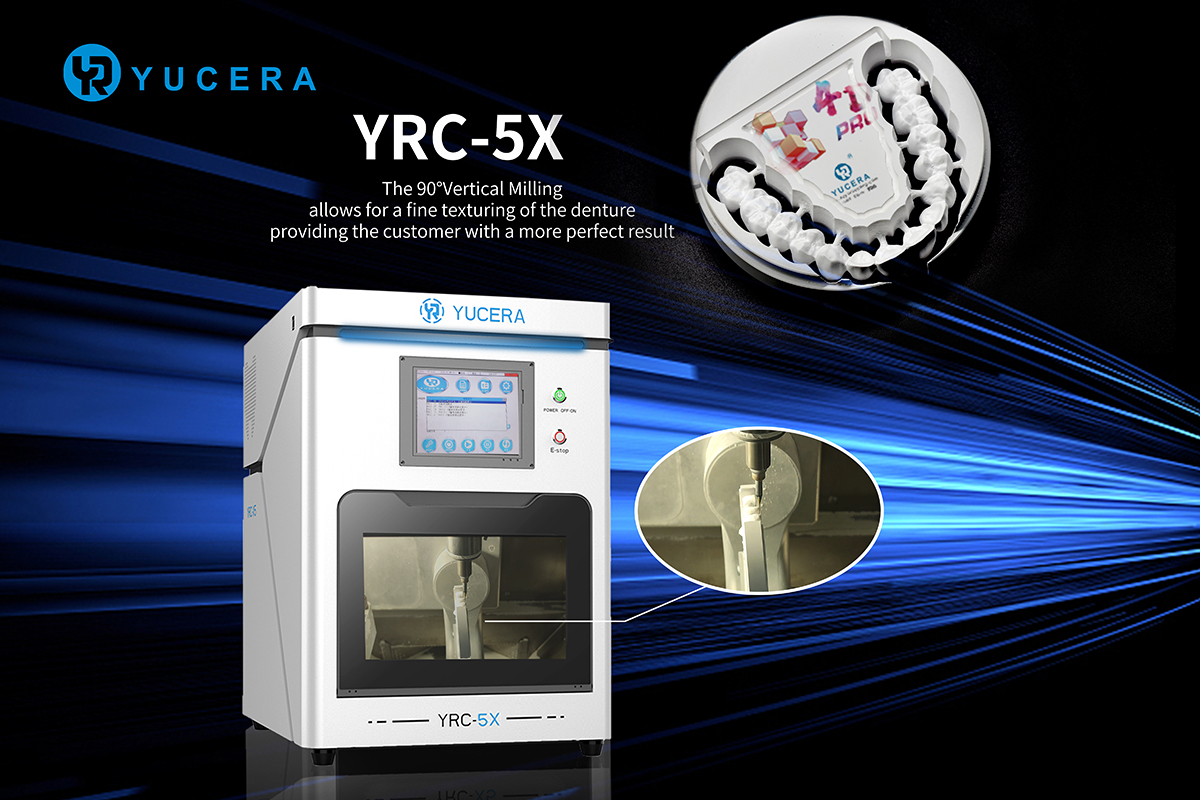
How to Choose a Dental Milling Machine

Selecting the right dental milling machine for your clinic or laboratory is a significant decision that can impact the efficiency, productivity, and quality of your dental restorations. With the advancement in dental technology, dental milling machines have become more sophisticated, offering a range of features that cater to different needs. Here’s a detailed guide to help you make an informed choice.

Dry vs. Wet Processing: The first consideration is whether you require a dry or wet milling machine. Dental dry milling machines are ideal for materials such as zirconia, PMMA, wax discs, and PEEK discs, which do not require water during the milling process. On the other hand, dental wet milling machines are designed for materials like glass ceramics that necessitate water to prevent heat buildup and control dust.

Processing Accuracy and Speed: Modern dental milling machines boast features like automatic tool changers and break-point continuation, enhancing work efficiency and accuracy. It’s crucial to understand the machine’s performance metrics, including rotational speed and fixture stability. High-speed spindles can achieve precise fabrication quickly, which is essential for producing restorations like crowns, bridges, and veneers with accuracy.

Maintenance and Support: Consider the technical support and after-sales service provided by the manufacturer. A good reputation often translates to better quality and service. Regular maintenance is vital for machine longevity, so choose a machine with affordable maintenance costs and easy access to replacement parts and servicing.

Budget and Space: Determine your budget carefully, as dental milling machines can vary significantly in price. Consider the total cost of ownership, including the initial investment, maintenance, and any additional costs for software updates or material compatibility. Also, consider the physical space available in your clinic or lab. Some machines are more compact, making them suitable for smaller facilities.

Compatibility and Integration: Ensure the milling machine is compatible with your existing software and digital workflows. An open system architecture allows for compatibility with various CAD software and materials, offering flexibility in design and material choices.

User-Friendliness and Learning Curve: Some machines come with intuitive interfaces that simplify the learning process, while others may require extensive training. Consider the user-friendliness of the machine, especially if you have staff with varying levels of technical expertise.

Material Range and Indications: Different machines support different materials and indications. If you plan to offer a wide range of restorations, choose a machine that can handle various materials and is capable of producing multiple types of dental prosthetics.

Performance and Precision: High-performance milling strategies are crucial for achieving perfectly fitting results. Look for machines that offer advanced milling strategies and are continuously updated by the manufacturer to handle new materials and technologies.

Reviews and Market Trends: Before making a decision, review the experiences of other dental professionals who have used the machines you are considering. Look for the latest trends in dental milling technology to ensure your investment will remain relevant in the coming years.

By considering these factors, you can select a dental milling machine that aligns with your practice’s specific needs, budget, and long-term goals. Whether you choose a machine known for its versatility like the Ceramill Motion 2 or a more specialized machine like the CEREC Primemill, the right choice will enhance your practice’s capabilities and patient satisfaction.