If You Feel Better, Your Brain Performs Better

It has been said that through meditation, you are able to calm not only your body but your mind as well. It may sound too difficult to try, however, there are ways to make meditation as simple as possible. This article for those who are hesitant to meditate because of the perception that meditation is a difficult process. It may be true that in order to perfect your meditation skills you need to practice it for years, however, you can still begin with the simplest relaxation techniques. This will surely make you feel better, your brain relaxed a little and your whole being is rejuvenated.

Meditation is a good way to reduce stress; and as you all know, we can think better if we are not stressed. As many researches have pointed out, you can suffer from brain damage if you are exposed to constant stress. Now, isn’t meditation just the right boost to your brain power?
Through mediation, your concentration will be strengthened, thus you can fully focus on any mental activity that you are working on. So you should learn to control your mind and use it efficiently for your own goals, do this by starting with breath techniques moving further to simple meditation.

Breath Watching

Find a spot where you can sit and relax comfortably. There, give close attention to your breathing for a few seconds. Basically, you just have to clear your mind for a moment and have a quiet time on your own. Here are a few tips to assist you.

1) Find your spot

Since you are only a beginner, you may want to find a quiet place where you can meditate. As you become more expert in meditation, you will notice that you can already meditate anywhere you want to. For the mean time, find a spot where you can feel at peace.

2) Be comfortable

Look for your position which will keep you at ease but not asleep. For most people, crossing their legs is their meditation position. If you are the kind of person who can lie down without falling asleep, you may also try lying down for this may be your most comfortable position. Just keep yourself perfectly still and comfortable but not asleep – this should be your meditation position.

3) Let Go of the Tension

Observe which part of your body is most tensed. You should learn how to tense up those parts and then release the tension in such part. You may experience the release as your body begins to be drained from all the tension. If you repeat the process, you will later on learn how to relax easily.

4) Breathe properly

Breathe properly through your nose. In doing so, the air can easily pass through your lungs. You may notice that your diaphragm, abdomen and chest expand more when you breathe through your nose. This is how you should breathe.

5) Pay attention

There may be instances when your mind may be disturbed by other thoughts, but you should always remind yourself to go back into paying special attention to your breathing. With constant reminder, the thoughts that may disturb you will soon fade away.

You may want to perform this meditation for at least five minutes. And then as you practice it more and more each day, you may want to perform it for a longer time. You should then be able to realize that these meditations can really help you clear your mind and increase your focus. By feeling better, your brain also performs better.
Cervical Cancer – What You Need to Know

Cervical cancer is one of those cancers that only women get. You will want to be screened to make sure you don’t have it. Here, you will learn about some of those screening methods and what to expect. Learn about what cervical cancer is, ways to help prevent yourself from getting it and what the survival rate of it is if you do get it.

What Is Cervical Cancer?

The cervix is the lower part of the uterus. Most cervical cancers begin in the cells that line the cervix. The normal cells of the cervix slowly develop into precancerous cells. It takes time for the precancerous cells to turn into cancerous cells, and this is why it’s so important to get regular screenings.

Screening for Cervical Cancer

There are two tests which are performed to screen for cervical cancer – a Pap smear and an HPV test. The Pap smear tests for precancerous cells. The HPV test looks for the human papillomavirus which can lead to cancer.

The Pap test is recommended for women ages 21-65. It is done right in your doctor or gynecologist’s office. A speculum (a metal or plastic instrument) is placed inside the vagina and used to widen it and then a few swabs are taken and tested in a lab to make sure they are not abnormal.

The HPV test is done similarly, but the lab will test for the human papillomavirus.

The new recommendations from the American College of Gynecology (ACOG) is to have a Pap smear performed every three years starting at the age of 21. If you are at higher risk, meaning you have had precancerous cells in a prior test, then your doctor will recommend more frequent screenings. The Pap test is the most accurate screening test there is for cervical cancer. It does not detect any other gynecological cancers, though, so for any abnormal symptoms you should see your doctor.

Aside from regular screenings, you want to make sure you’re doing all you can to prevent yourself from getting cervical cancer.

How to Prevent Cervical Cancer

Getting screened is the most important thing you can do in preventing cervical cancer. However, beyond that there are some other things you can do as well. Since HPV can cause cervical cancer, getting the HPV vaccine will help prevent you from getting cervical cancer. Beyond that, eating right, not smoking, not having lots of sexual partners and practicing safe sex (using condoms) will help prevent you from getting cervical cancer.

HPV is a sexually transmitted disease. And while HPV can live on both the male and female genitalia in areas which are not protected by a condom, using a condom has been shown to lower the chances of transmitting HPV and getting cervical cancer. All of these steps will help prevent you from getting cervical cancer.

Getting Cervical Cancer

In most instances it takes a few years for precancerous cells to turn into cancer cells, and most times that doesn’t even happen. This is why it’s important to have regular screenings so you can catch the cancer early, because that’s always your best chance.

There are many factors which will weigh in on your chances of survival with cervical cancer. These include:

* Type of cancer
* Stage of cancer
* Age and overall health
* If the cancer comes back after treatment

The further the cancer spreads outside of the cervix, the lower the chances of survival. So again, this is why screening is so very important to catch it early. It is completely reasonable to assume that you will survive five years or more after being diagnosed with cervical cancer.

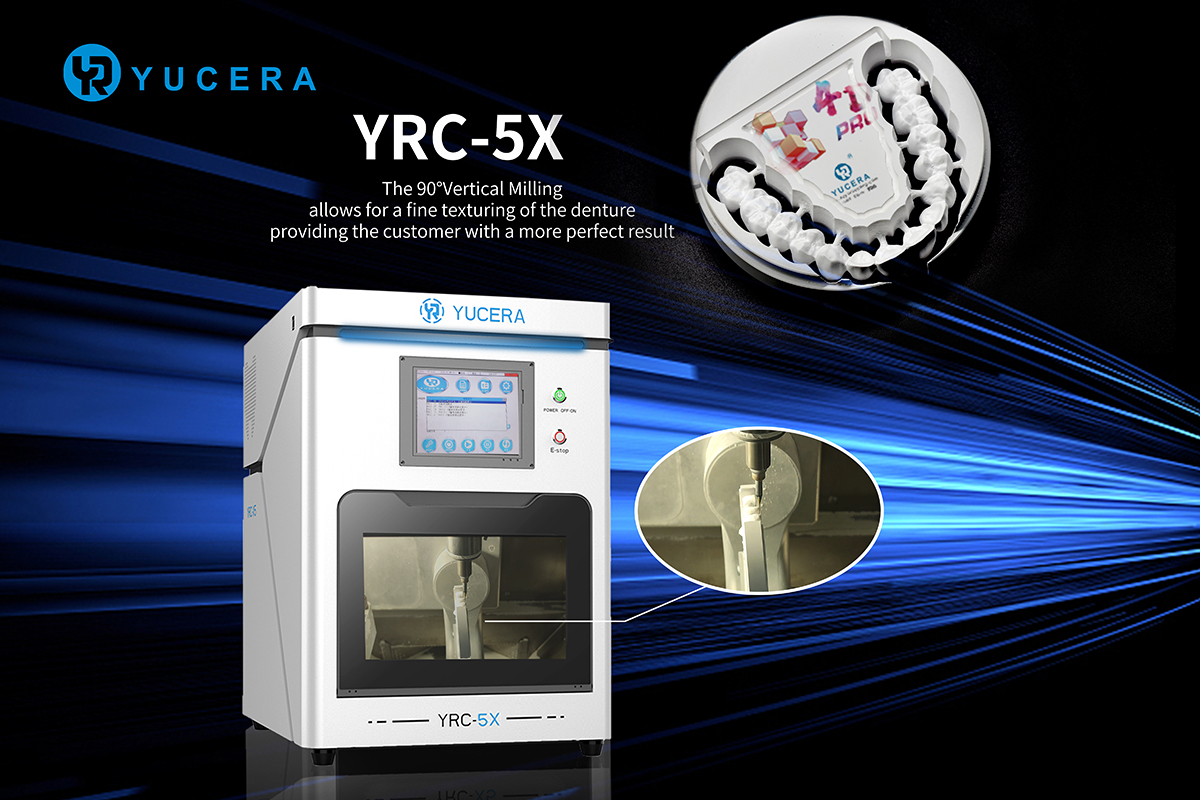
How to Choose a Dental Milling Machine

Selecting the right dental milling machine for your clinic or laboratory is a significant decision that can impact the efficiency, productivity, and quality of your dental restorations. With the advancement in dental technology, dental milling machines have become more sophisticated, offering a range of features that cater to different needs. Here’s a detailed guide to help you make an informed choice.

Dry vs. Wet Processing: The first consideration is whether you require a dry or wet milling machine. Dental dry milling machines are ideal for materials such as zirconia, PMMA, wax discs, and PEEK discs, which do not require water during the milling process. On the other hand, dental wet milling machines are designed for materials like glass ceramics that necessitate water to prevent heat buildup and control dust.

Processing Accuracy and Speed: Modern dental milling machines boast features like automatic tool changers and break-point continuation, enhancing work efficiency and accuracy. It’s crucial to understand the machine’s performance metrics, including rotational speed and fixture stability. High-speed spindles can achieve precise fabrication quickly, which is essential for producing restorations like crowns, bridges, and veneers with accuracy.

Maintenance and Support: Consider the technical support and after-sales service provided by the manufacturer. A good reputation often translates to better quality and service. Regular maintenance is vital for machine longevity, so choose a machine with affordable maintenance costs and easy access to replacement parts and servicing.

Budget and Space: Determine your budget carefully, as dental milling machines can vary significantly in price. Consider the total cost of ownership, including the initial investment, maintenance, and any additional costs for software updates or material compatibility. Also, consider the physical space available in your clinic or lab. Some machines are more compact, making them suitable for smaller facilities.

Compatibility and Integration: Ensure the milling machine is compatible with your existing software and digital workflows. An open system architecture allows for compatibility with various CAD software and materials, offering flexibility in design and material choices.

User-Friendliness and Learning Curve: Some machines come with intuitive interfaces that simplify the learning process, while others may require extensive training. Consider the user-friendliness of the machine, especially if you have staff with varying levels of technical expertise.

Material Range and Indications: Different machines support different materials and indications. If you plan to offer a wide range of restorations, choose a machine that can handle various materials and is capable of producing multiple types of dental prosthetics.

Performance and Precision: High-performance milling strategies are crucial for achieving perfectly fitting results. Look for machines that offer advanced milling strategies and are continuously updated by the manufacturer to handle new materials and technologies.

Reviews and Market Trends: Before making a decision, review the experiences of other dental professionals who have used the machines you are considering. Look for the latest trends in dental milling technology to ensure your investment will remain relevant in the coming years.

By considering these factors, you can select a dental milling machine that aligns with your practice’s specific needs, budget, and long-term goals. Whether you choose a machine known for its versatility like the Ceramill Motion 2 or a more specialized machine like the CEREC Primemill, the right choice will enhance your practice’s capabilities and patient satisfaction.

Get better sleep the natural way

Some people are really born to have a hard time to get better sleep. While there are those who were able to develop this problem because of unhealthy practice. Either way, the problem still lies that one is having a hard time lulling into that good slumber.

The best way to go about it is that first, one needs to address the problem of sleeping. These include knowing the reasons why that person is having a hard time sleeping. The focus areas should include the personal issues, status at work, health conditions, and sleeping environment.

1. Personal issues. The may include stress factors that affect the overall emotional state of a person. If one if stressed by personal issues, it will be harder for him or her to get better sleep because that person is thinking too much. If it’s possible to address these problems and problems immediately, it would really help a person to get better sleep. If not, one should seek help from professionals so he or she can cope with the issues and will have better chance of getting sleep at night.

2. Status at work. Studies show that more and more people are having a hard time sleeping because of their status in work. With the overall global crisis that the world experiences now, it is only common for people to worry about their security. If you think that this is one factor that won’t let you get better sleep at night, then now is the right time to face it and be prepared for the worse. If you are prepared that no matter what happens, you will still have your job or you are confident that you can easily find one, then you will have peace of mind and will lead you to sleep better at night.

3. Health conditions. Some people are able to develop sleeping disorders without them knowing. These sleeping disorders are usually caused and triggered by so many factors. If you are having hard time sleeping and you think that the reasons are something that you can no longer control, then it is best to seek professional help.

4. Sleeping environment. This is also among the things that affect the overall sleeping state of a person. If you have bad sleeping environment, then the tendency of your body is to resist sleeping.

The natural way

In the market today, there are so many products and even medication that promise to help one get better sleep. But, these artificial substitutes may have a side effect. To avoid further complications, it is best to try sleeping techniques the natural way. Some may include routines that will only help you get better sleep but help improve your overall health as well.

The first thing that you could do is to develop and practice good sleep hygiene. These include eating the right foods that can help you sleep better and avoid those that affect sleeping patterns. It also includes having regular exercise and avoiding napping in the afternoon so you will sleep well at night. You may also want to develop a routine that will help you sleep better such as doing relaxing activities before your bedtime such as taking a warm bath, reading, or writing in your personal journal.

To get better sleep, you can also try soundproofing your room to avoid unnecessary noises, adjusting the lights so you will be more comfortable, getting into a comfortable sleeping position and practicing deep breathing to relax your senses.

Everything You Need to Know about Breast Cancer and Mammograms

Wondering about breast cancer? Need to know what to expect from a mammogram? Want to know how a mammogram is used to help save your life? Read on to find out more. Hopefully this helps you know what to expect.

What Is Breast Cancer

Breast cancer affects the tissues of the breast. There are two main types of breast cancer. The more common form of breast cancer is one which develops in the lobules where the milk ducts are and are the glands that produce the milk. The less common form develops in the stromal tissue which makes up the more fatty fibrous tissue of the breast.

Breast cancer is caused by a genetic abnormality. However, only about 5-10% of breast cancer is actually hereditary. The majority of the time the genetic abnormality is due to the aging process. Just general wear and tear of life causes the cells to mutate.

You can actually limit your risk of getting breast cancer just by doing a few things to keep yourself healthy. Things like eating right, not smoking, exercising regularly, and limiting alcohol consumption. This is not to say you definitely will not get breast cancer if you do these things, though – it just helps limit your risk.

Part of the way you can help in the fight against breast cancer is early detection. Doing monthly self-breast exams is key, but you also want to make sure that you get a mammogram as often as your doctor recommends one. This is usually starting by the age of 40 and going once a year thereafter.

Mammograms are nothing to be afraid of. It’s no worse than any other procedure you have to have done to ensure you’re healthy.

What to Expect out of a Mammogram

To help ease your fears about mammograms, here’s what you can expect when you go for one. This is one of the most important tools doctors have for screening people for breast cancer and helping in determine a diagnosis and treatment plan. So once you’re of age you don’t want to skip this, especially if you’re simply missing it because you’re nervous about the unknown. Here’s what they do:

* You will receive a gown and be asked to remove all jewelry from the waist up as well as clothing from the waist up.

* You will stand in front of a special x-ray machine that has a plate on it.

* The technician will place one of your breasts on the plate and raise or lower the platform to match your height.

* The technician will then have you position your arms, head, and torso in such a way that it will not interfere with the test itself.

* Your breast is then gently pressed down by a large plastic plate.

* You will feel pressure for a few seconds as the breast tissue is spread out to take an image of the breast. This might cause some discomfort, but it’s not harming you. If it becomes too unbearable, tell the technician. However, this is needed in order to flatten out and even the thickness of the breast tissue to get a better image of the breast.

* You’ll need to hold still and hold your breath for a second.

* Then the technician will do the same thing with the second breast.

* You might be asked to wait after it’s all done for the technician to review the images to make sure they are clear. If they are not they might have to repeat the process.

* It usually takes less than 30 minutes to complete the whole process and you are free to resume normal activity once it is complete.

So that doesn’t sound too terrible, does it? It’s only once a year and if it will detect breast cancer early, then it could really be a life saver.

How a Mammogram Is Used to Help Save Your Life

Mammograms have the ability to check the breast for any sign of disease. A lump can be seen on a mammogram before it can even be felt during a self-exam. And since we know early detection saves lives when it comes to cancer, this is a great early detector that saves lives.

While mammograms can’t actually diagnose cancer, they can alert us to problems with the breast which lead to further testing. That might be simply monitoring more closely to see if the calcifications multiply over time. Or it could tell doctors that a biopsy needs to be done. It will show doctors exactly where they need to do the biopsy as well.

So mammograms are very important tools in saving the lives of women (and men) when it comes to breast cancer. Even though a mammogram can’t say for sure whether you have breast cancer, it does alert the doctors to a possible problem which might require more testing or closer monitoring.

Have you scheduled your mammogram yet?